Five Food and Drink Trends 2026/7: How to shape your promotions and win big!
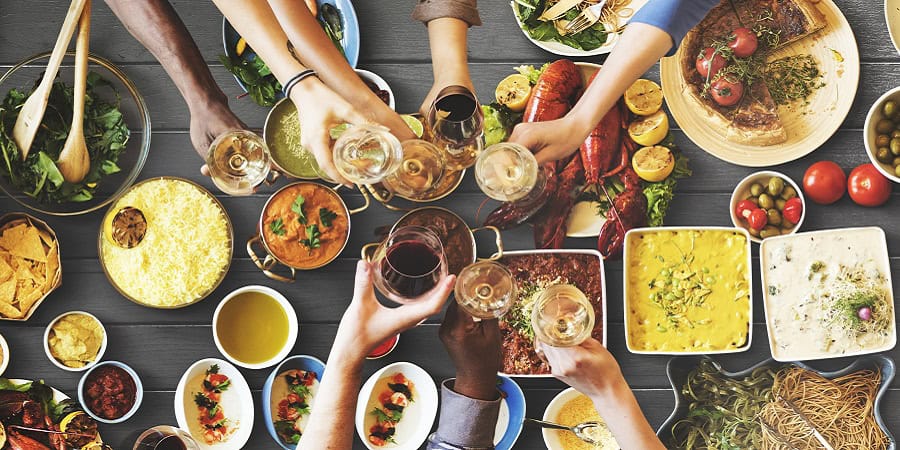
Consumer expectations are shifting quickly, and promotional planning for 2026/27 needs to reflect that. Five converging trends – spanning medication, wellness, ingredient scrutiny, premiumisation and Gen Z culture -are creating new creative opportunities for FMCG brands running prize promotions, and some significant compliance considerations alongside them. Here is what brand managers need to know heading into the next planning cycle.
Prize promotions work best when they reflect what is actually happening in consumers’ lives. A mechanic that felt relevant eighteen months ago may land flat today if it ignores shifts in how people relate to food, health and culture. Right now, five trends are doing exactly that- changing what consumers want from categories, and therefore what they expect from brand promotions that run within them.
For brands, the opportunity is in building promotions that feel genuinely aligned with these shifts. The risk- particularly for campaigns involving health claims, wellness language or alcohol- is moving fast without the legal and operational frameworks that keep those campaigns defensible. Both sides of that picture matter for planning activations in this environment.

1. GLP-1s and the Emotional Snacking Opportunity
Ozempic and Wegovy are doing more than changing waistlines. Research published in the Journal of Marketing Research in December 2025 by Cornell University, tracking purchase data from 150,000 US households, found that GLP-1 users reduced grocery spending by 5.3% within six months of starting treatment. Spending on savoury snacks fell by 10.1% — the sharpest decline of any category.
The more commercially relevant finding is what happens at the premium end. Data cited by Lindt & Sprüngli in their 2025 full-year results showed US premium chocolate sales grew nearly 17% among GLP-1 users, versus around 6.5% for non-users. The pattern is consistent with what Lindt’s CEO described as consumers choosing carefully rather than abstaining — smaller indulgences, but more considered ones.
“Less is more — small rewards with moments of bliss rather than mindless munching.” — Adalbert Lechner, CEO, Lindt & Sprüngli, full-year results 2025
For prize promotions, this suggests a case for moving away from volume-based prize bundles towards mechanics built around micro-indulgence: instant wins centred on a single premium treat, nostalgia-led drops triggered via QR code, or experiential prizes designed around ritual and sensory quality rather than quantity.
Compliance consideration: any promotion referencing wellness, satiety or appetite — even indirectly — should be reviewed against ASA and HFSS rules before going near pack or point of sale.
2. The Ultra-Processed Backlash
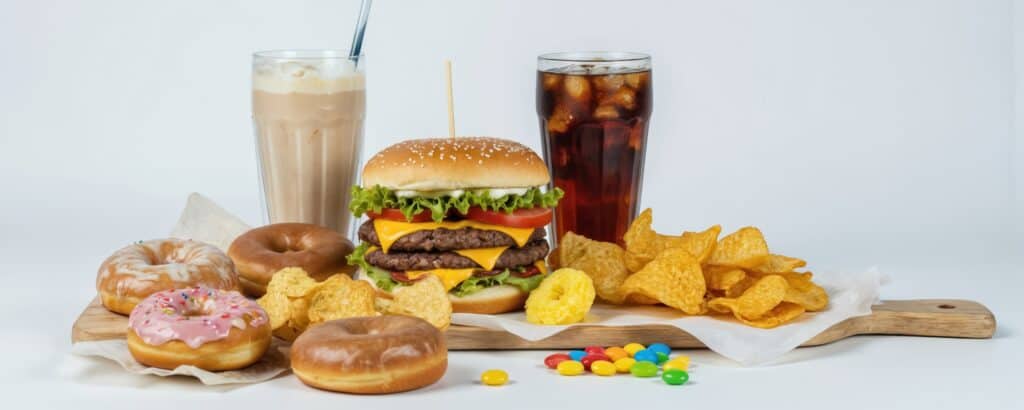
Concern about ultra-processed foods now appears to be more than a short-term media story. The Food Standards Agency’s monthly Consumer Insights Tracker recorded UPFs as the UK’s second-highest food concern in December 2025, cited by 79% of respondents — a figure that has remained broadly stable since mid-2023. Kantar data from February 2025 found one in three GB households were very concerned, while IGD Shopper Vista (April 2025) found 72% of consumers believe too many foods contain added ingredients that make them unhealthy.
The specific risk for prize promotions is healthwashing. Consumers are increasingly aware of the gap between a wellness-forward label and what is actually in a product, and when that gap becomes visible — particularly on social — it can move quickly. Prize mechanics that rest on clean-label or natural positioning need careful copy governance to avoid amplifying a health narrative the product cannot substantiate.
There is a useful creative direction in transparency. Promotions built around genuine ingredient storytelling — unlocking the provenance of a key ingredient, earning entries by learning something real about how a product is made — can build brand trust in a way that borrowed wellness claims cannot. Claims and copy review is a standard part of our compliance process for promotions in this space.

3. Functional Drinks and the Gut–Skin Routine
The functional drinks market has matured beyond energy and hydration. Consumers are increasingly looking for dual-benefit products that work across gut health and skin — and they want them built into a daily routine rather than used occasionally. That routine-based usage pattern translates naturally into promotion mechanics.
Scan-to-enter formats tied to morning or evening usage, collect-to-win mechanics across a product range, or instant wins that reward repeat engagement rather than a single purchase moment — all of these map onto how consumers in this category already behave. The mechanic feels earned rather than incidental.
Two compliance areas need attention here. First, prizes linked to wellness outcomes — nutritionist consultations, gut-health retreats, skincare bundles — sit close to the boundary of permissible health claims, and T&Cs need to be drafted to avoid implying medical outcomes the brand cannot guarantee. Second, any mechanic involving self-tracking or health logging tends to collect personal health data, which requires explicit consent and a clear privacy framework from the outset. Both of these are areas where specialist legal and privacy advice is worth taking early in the campaign brief rather than at the point of launch.
4. Savoury, Smoky, Premium: The Alcohol Opportunity
Premium drinks have always had a strong promotional heritage — but the definition of premium is shifting. For younger consumers, particularly Gen Z, it is increasingly defined by flavour complexity: umami, briny, herbal and smoky profiles read as markers of taste knowledge and cultural awareness rather than simply price point. Origin, craft and story carry more weight than they did in previous cycles.
For drinks brands, this creates a clear brief for prize mechanics: guided tastings with distillers or blenders, curated food-pairing experiences, access to limited or unreleased batches. These prizes carry a sense of privilege and discovery that a standard prize draw cannot replicate. Our promotional expertise team can advise on the right mechanic for your category and territory.
Alcohol compliance needs to be part of the brief from the start, not added at the end. Age-gating on all digital entry points, territory restrictions, responsible drinking messaging, and — for experiential prizes — venue licensing and participant welfare are all baseline requirements. PromoVeritas covers more than 90 countries, including every major alcohol-regulated market.
Producer or chef collaborations also need IP agreements and clear partner contracts in place before any campaign goes public.
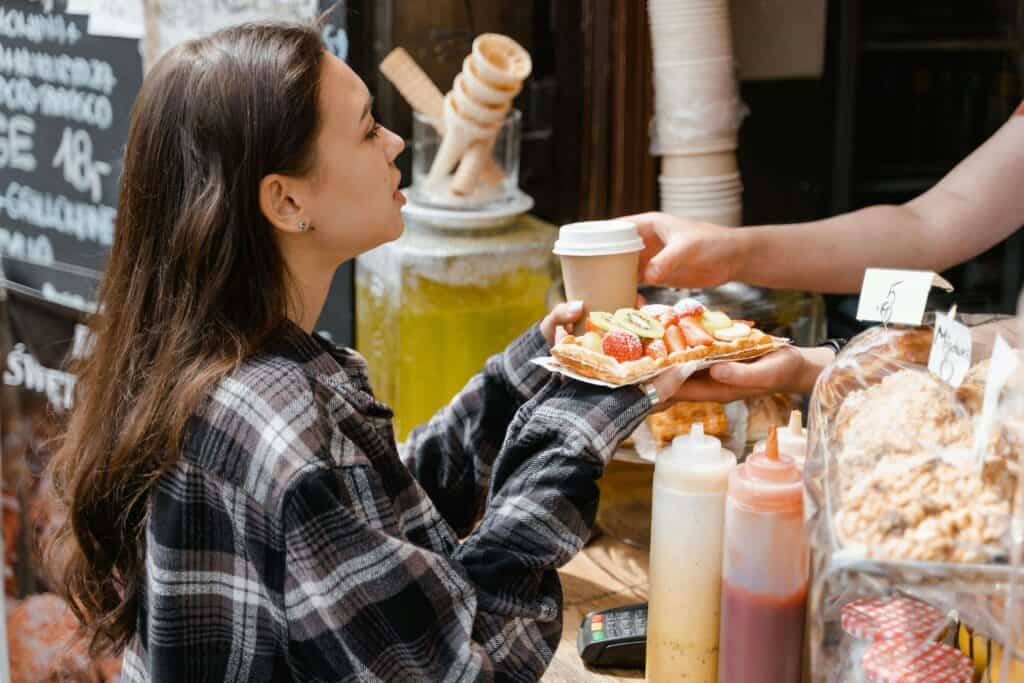
5. Gen Z and the Street Food Generation
For many younger consumers, street food carries strong associations of authenticity, discovery and cultural variety — and those associations are increasingly influencing how Gen Z engages with branded food experiences. Research from Street Food Business Expo found that 83% of the UK street food market is driven by people under 40, and 50% of Gen Z consumers say they actively want to eat more unique meals from different cuisines. Innova Market Insights named ‘Wildly Inventive’ — consumer appetite for bold, globally-inspired flavour combinations — as the third-biggest global food trend of 2025.
Prize promotions built around this space have real creative potential: limited-edition flavour drops co-developed with real street food vendors, competitions inviting consumers to create the next fusion SKU, experiential prizes that feel discovered rather than advertised. UGC mechanics suit this category well, given the extent to which younger consumers share food experiences through social channels.
A few structural points are worth flagging early in any brief of this kind. Vendor collaborations need clear IP agreements in place before any public-facing campaign goes live. UGC competitions require transparent judging criteria and accessible entry mechanics — independent judging covers both. Social-led activations must comply with platform rules and ASA disclosure requirements.
What This Means for Your 2026/27 Planning
These five trends share a common thread. They raise the bar for what feels relevant and authentic to consumers — and they raise the regulatory stakes for brands that move into new territory without the right foundations in place. Health claims, ingredient transparency, wellness language, alcohol rules, data consent and partner agreements are not late-stage sign-off items. They are planning decisions.
The brands running the most effective promotions in 2026/27 will be the ones that build their compliance approach alongside their creative brief — not after it.
PromoVeritas works with FMCG brands to design prize promotions that are commercially ambitious and legally sound — across every market they operate in. That covers specialist compliance and legal advice, digital build and data capture, winner management and prize fulfilment, and post-campaign data and insights. If any of these trends are on your brief for the next planning cycle, get in touch — or see examples of how we have delivered for brands including Cadbury, Amazon and Corona in our case studies.
DATA SOURCES: Cornell University / Journal of Marketing Research (December 2025); Food Standards Agency Consumer Insights Tracker (December 2025); Kantar Nutrition Service (February 2025); IGD Shopper Vista (April 2025); Lindt & Sprüngli full-year results 2025 (CEO commentary, reported in FoodNavigator March 2026); Innova Market Insights Top Trends 2025; Street Food Business Expo UK market data. NOTE: The Lindt 17% figure is sourced from trade press reporting of Lindt CEO commentary — link directly to primary Lindt investor relations page before publication.