LHFD Advertising Rules 2026: CAP & BCAP Guide for UK Marketers
From 5 January 2026, UK food and drink advertising entered a new era. The new Less Healthy Food & Drink (LHFD) regime- underpinned by the revised CAP and BCAP guidance– has reshaped how brands can advertise across TV, on-demand, online and even in-store environments.
The intent is simple: restrict children’s exposure to identifiable less-healthy products. The execution, however, is anything but simple. For senior marketers, this is now a strategic compliance challenge touching brand architecture, influencer strategy, media planning, shopper marketing and creative development.
This feature distils the rules, highlights the new areas of risk, and sets out a practical playbook for 2026.
What Exactly Is Banned?
1. Broadcast & On-Demand Restrictions
From 5 January 2026, ads for identifiable LHFD products cannot appear between 05:30 and 21:00 on:
- Linear UK TV
- Ofcom-regulated VOD services
This represents a watershed moment for FMCG media planning, effectively removing daytime reach for HFSS-driven brands.
2. A 24/7 Ban on Paid Online Advertising
Any paid-for UK-targeted online ad for an identifiable LHFD product is prohibited at all times:
- Display
- Paid social
- Sponsored search
- Retail media paid placements
This includes paid listings on delivery platforms– a major shift. If you pay to push an LHFD SKU, it’s a banned ad. Organic menu listings remain allowed.
3. In-Store Display Restrictions
While the LHFD regime focuses on media, marketers must not overlook in-store:
- Paid-for in-store display, POS or gondola ends featuring identifiable LHFD products may be considered promotional advertising and could fall under the same paid-promotion prohibition.
- Brand-only POS is allowed, provided it does not cross into identifiable product depiction.
- Price promotions, promotions signage and “new flavour” call-outs on LHFD SKUs must be checked carefully to ensure they do not imply wider advertising intent.
Understanding “Less Healthy”: The Two-Step Test
A product is LHF only if both apply:
- It is HFSS under the Nutrient Profiling Model, AND
- It falls into a restricted category (morning goods, confectionery, savoury snacks, ready meals and others defined in the 2024 regulations).
This classification step is vital. The rules regulate products, not brands, but brands become constrained when their equities are strongly tied to LHFD items.
Influencers: The Biggest Practical Shift
Influencer advertising is now captured far more broadly:
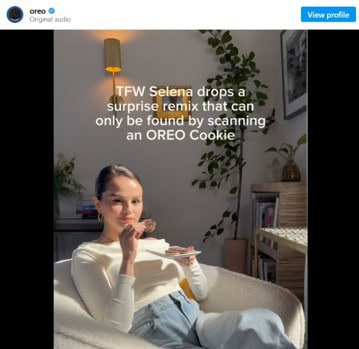
- Prohibited: Any influencer post promoting an identifiable LHFD product where the influencer received monetary or non-monetary consideration (including gifting).
- Permitted: Influencers appearing in content hosted on brand-owned channels.
This means gifting and other “non-monetary” incentives can bring creator activity into scope as advertising, so mass seeding programmes should be reviewed urgently. Official guidance: here.
Brand-Only Advertising: A Safe Harbour- Used Carefully
Brands can advertise under the “brand exemption,” but the bar is high:
- You cannot depict any identifiable LHFD product.
- You cannot use assets consumers would reasonably associate with a specific LHFD SKU (colours, mascots, textures, audio queues).
- A range must look like a real range—not multiple formats of the same product.
The Identifiability Test: The Regulator’s Centre of Gravity
The ASA will judge an ad based on what the audience perceives, not brand intent. Key triggers:
- Strong branding tied to LHFD items
- Prominent or implied product references
- Ranges including even one LHFD item
- Creative motifs pointing toward specific SKUs
This means marketers must assess content through two lenses:
(1) Is it brand-only?
(2) Is it still “identifiable” to consumers?
Your 2026 Survival Playbook
1. Default to Master-Brand Advertising
Shift budgets toward:
- Corporate-level storytelling
- Brand purpose platforms
- Masterbrand assets decoupled from LHFD SKUs
2. Rebuild Influencer & Creator Workflows
- No gifting without compliance checks
- Move creators onto brand-owned channels
- Rewrite creator briefs to avoid product cues
3. Audit In-Store & Retail Media
- Remove identifiable LHFD imagery from paid POS
- Clarify retailer co-funding agreements
- Ensure retail media teams understand that paid placements for LHFD products are now off-limits
4. Use Prize Promotions Strategically
Promotions remain a powerful lever if structured within the rules:
- Use brand-level prizes
- Avoid SKU-specific mechanics
- Leverage on-pack where compliant
5. Engage CAP Copy Advice
With early ASA case law expected in 2026, CAP’s advisory service is the closest thing to pre-clearance.
Final Thought
Far from being a constraint, the LHFD regime may spark the most creative period in UK food marketing in a decade. Marketers who embrace the boundaries- rather than fight them- will be the ones who unlock new brand-level storytelling, smarter promotions and stronger long-term equity.